

NPK compound fertilizer
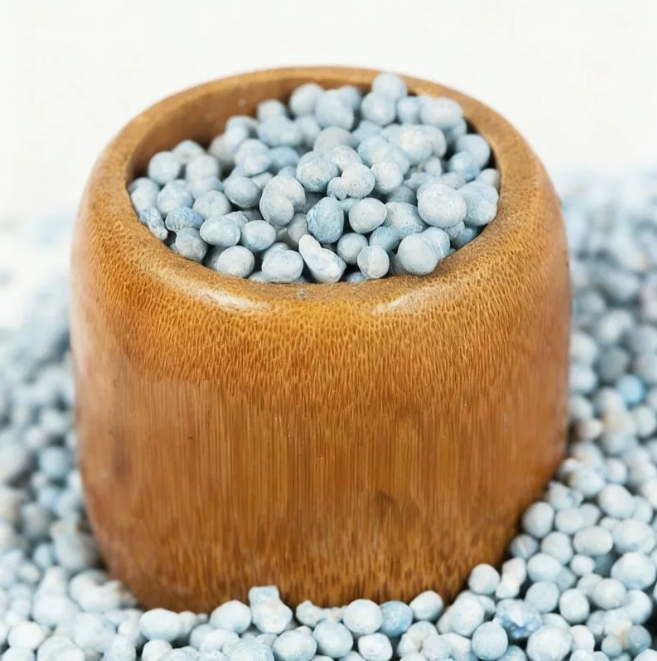
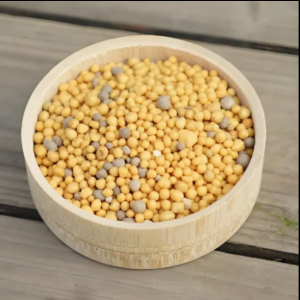
NPK compound fertilizer, also known as ternary compound fertilizer, refers to chemical fertilizers containing three core nutrients: Nitrogen (N), Phosphorus (P), and Potassium (K), mostly in the form of gray or off-white granules. The nutrient content is marked on the fertilizer package in the order of “Nitrogen – Phosphorus – Potassium”. For example, 15 – 15 – 15 means the content of nitrogen, phosphorus pentoxide, and potassium oxide each accounts for 15%. If it contains trace elements, it will be marked with “TE”. It is divided into three categories according to the total nutrient content: high-concentration (≥40%), medium-concentration (≥30%), and low-concentration (≥25%).
Core nutrient function
1. Nitrogen (N): Promotes the growth of plant branches and leaves, increases chlorophyll content to make leaves dark green, and strengthens photosynthesis. Nitrogen deficiency tends to cause plants to turn yellow and grow slowly.
2. Phosphorus (P): Helps root development, especially promoting the root growth of seedlings. It also accelerates flowering, fruiting and seed ripening, and enhances plants’ cold and drought resistance.
3. Potassium (K): Enhances the toughness of stems to prevent lodging, improves the sweetness and quality of fruits, strengthens plants’ resistance to diseases, pests and harsh environments, and assists in the transportation of nutrients and water in plants.
2. Phosphorus (P): Helps root development, especially promoting the root growth of seedlings. It also accelerates flowering, fruiting and seed ripening, and enhances plants’ cold and drought resistance.
3. Potassium (K): Enhances the toughness of stems to prevent lodging, improves the sweetness and quality of fruits, strengthens plants’ resistance to diseases, pests and harsh environments, and assists in the transportation of nutrients and water in plants.
Advantages
1. Efficient and long-lasting fertilizer effect: Compared with single fertilizers, its fertilizer effect is mild and long-lasting, which can reduce the number of fertilizations and save costs.
2. Convenient application: With a granular structure, it has low hygroscopicity and is not easy to agglomerate, which is convenient for storage and suitable for mechanized fertilization.
3. Soil improvement: It combines the advantages of some organic fertilizers and inorganic fertilizers, reduces adverse effects on the soil, and helps improve soil texture.
2. Convenient application: With a granular structure, it has low hygroscopicity and is not easy to agglomerate, which is convenient for storage and suitable for mechanized fertilization.
3. Soil improvement: It combines the advantages of some organic fertilizers and inorganic fertilizers, reduces adverse effects on the soil, and helps improve soil texture.
Specification
|
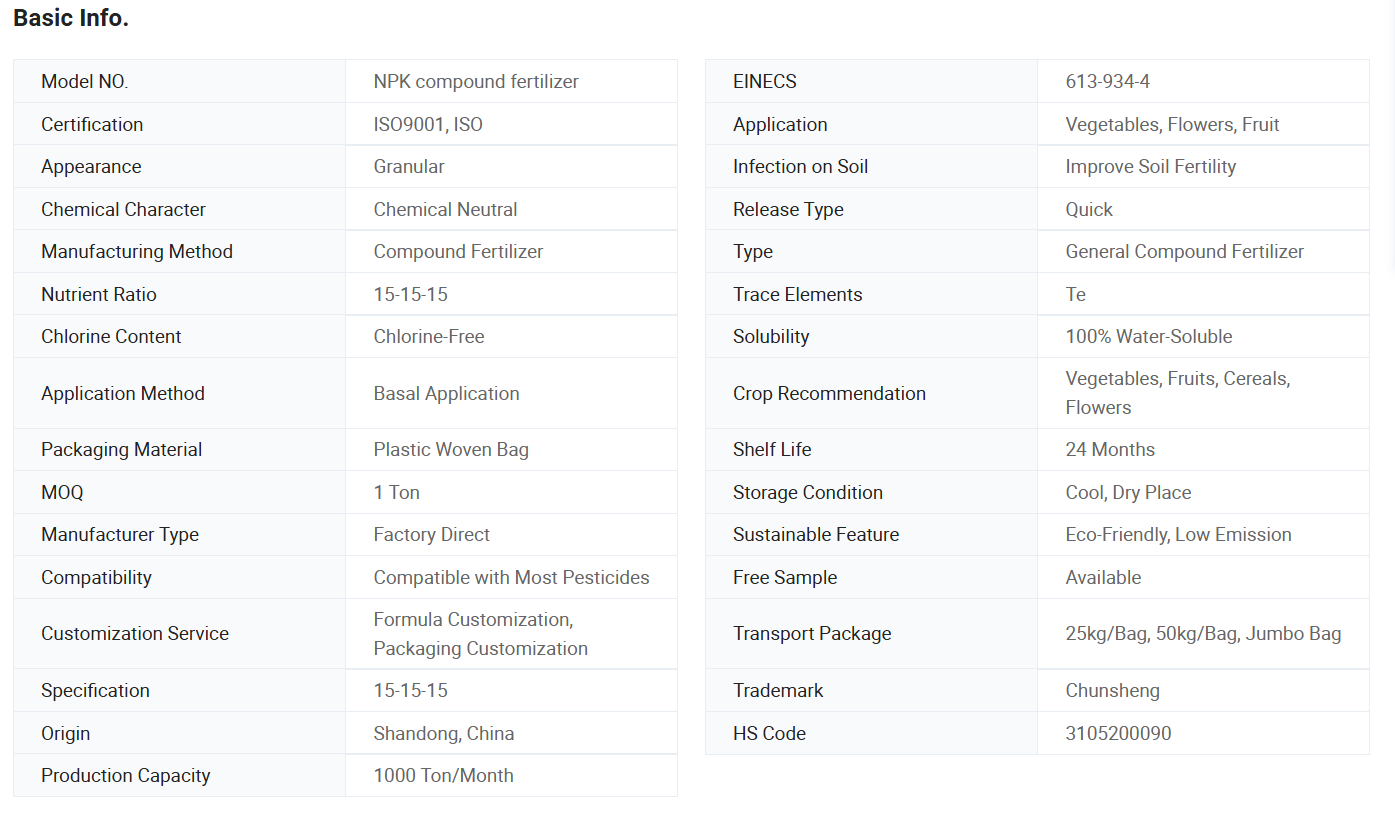
Nutrient Ratio
|
15-15-15
|
|
Trace Elements
|
TE
|
|
Chlorine Content
|
Chlorine-Free
|
|
Solubility
|
100% Water-Soluble / Partially Soluble
|
|
Application Method
|
Basal Application / Topdressing / Foliar Spray
|
|
Crop Recommendation
|
Vegetables, Fruits, Cereals, Flowers
|
|
Shelf Life
|
24 Months
|
|
MOQ
|
1 Ton / 20 Tons (Customizable)
|
|
Packaging Material
|
Plastic Woven Bag / PP Bag
|
Precautions For Use

1. Avoid close contact with seeds or root systems. Keep a distance of 10 – 12 centimeters during furrow application or hole application to prevent seedling burning.
2. Foliar spraying should be carried out on cloudy days or evenings. After dilution, spray evenly on both sides of the leaves.
3. Before application, the soil fertility can be tested, and single fertilizers can be mixed to adjust the nutrient ratio to meet the needs of crops.
2. Foliar spraying should be carried out on cloudy days or evenings. After dilution, spray evenly on both sides of the leaves.
3. Before application, the soil fertility can be tested, and single fertilizers can be mixed to adjust the nutrient ratio to meet the needs of crops.
Be the first to review “NPK Granular Fertilizer Chloride-Free for Chlorine-Sensitive Crops Like Tobacco and Tea”
Related products
Reviews
There are no reviews yet.